How to Prevent Helmet Visor Fogging? 7 Effective Methods
Why do helmet visors fog up in the cold and rain, and how can it be prevented? Anti-fog inner lenses, ventilation, breath deflectors, visor gaps, anti-fog products, and practical methods for cleaning the visor.


The sudden fogging of your helmet visor in cold and damp weather is both frustrating and dangerous; visibility can disappear in seconds. Fog forms when the warm, moist air from your breath hits the cold visor surface and condenses. In this guide, we have listed effective ways to prevent visor fogging.
1. Anti-Fog Inner Lens (Double Lens)
One of the most effective solutions is a second lens that fits inside the visor. The air trapped between the two layers provides insulation and prevents the inner surface from cooling down, much like double-glazed windows. This system is commonly known as Pinlock. Check the product information to see if your helmet visor is compatible; some helmets come with a double lens.
2. Keep the Vents Open
The chin and top vents expel moist air from inside the helmet. Even though you may want to close them because you feel cold in winter, the chin vent in particular is very effective against fogging; keep it at least partially open.
3. Use a Breath Guard
A breath guard, which comes with many helmets or can be added later (a small plastic or rubber piece under the chin), directs your breath downwards instead of towards the visor. Make sure it is properly fitted.
4. Leave the Visor One Notch Open
Many helmets have a “city mode” setting where the visor stops before closing completely. Leaving the visor at this setting at low speeds and when stopped quickly reduces fogging. At high speeds, close the visor completely.
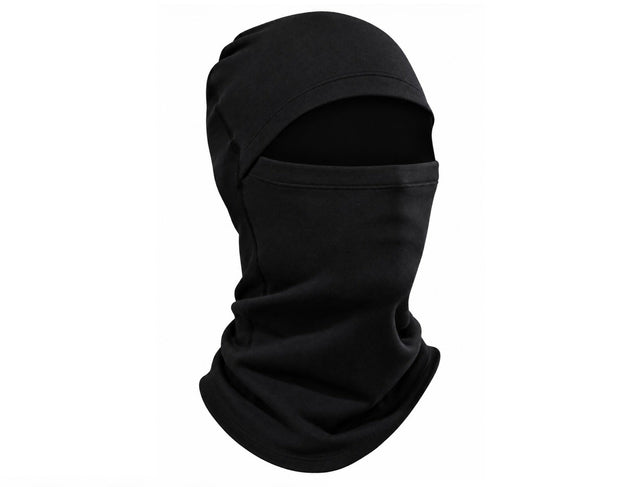
5. Position the Neck Warmer Correctly
If a neck warmer or scarf covers your nose and mouth, your breath will go upwards towards the visor. Keep the neck warmer under your chin and do not tuck it into the helmet.
6. Anti-Fog Products
Anti-fog products applied to the inner surface of the visor offer a temporary solution. Check your helmet manufacturer's recommendations to ensure they will not damage the visor's coating. Applying additional products to visors with an anti-fog coating may damage the coating.
7. Clean the Visor Properly
A dirty and greasy visor fogs up more easily. Clean the visor with lukewarm water, a little neutral soap, and a soft cloth; do not use glass cleaners or solvents. See the details in our helmet care guide.
Things to Avoid
- Trying to wipe the visor with a glove while riding will not clear the fog; it will leave scratches and marks.
- If your visibility is reduced, do not continue riding; stop in a safe place and open the visor.
- Homemade solutions (dishwashing detergent, potato, etc.) can damage the visor coating.
For other winter riding tips, see our winter riding guide.
Anti-Fog and Double Visor Helmets at MotoWing
Frequently Asked Questions
Why does a helmet visor fog up?
The warm, moist air from your breath hits the cold visor surface and condenses. This is more common in cold, rainy, and damp weather.
What is the most effective way to prevent visor fogging?
An anti-fog inner lens (double lens) is one of the most permanent solutions. When combined with an open chin vent and a breath guard, fogging is greatly reduced.
Can dishwashing detergent be applied to a visor?
It is not recommended. It can damage the visor's coating and leave streaks that impair visibility.
Is it safe to leave the visor open?
It is useful for clearing fog at low speeds and when stopped. Close the visor completely at high speeds.